In today’s fast-paced digital environment, comments sections on social media and news websites often become hotbeds for misunderstandings and conflict. Digital empathy has emerged as a crucial skill to foster respectful interactions and mitigate hostility in these rapid exchanges.
Understanding digital empathy and its significance
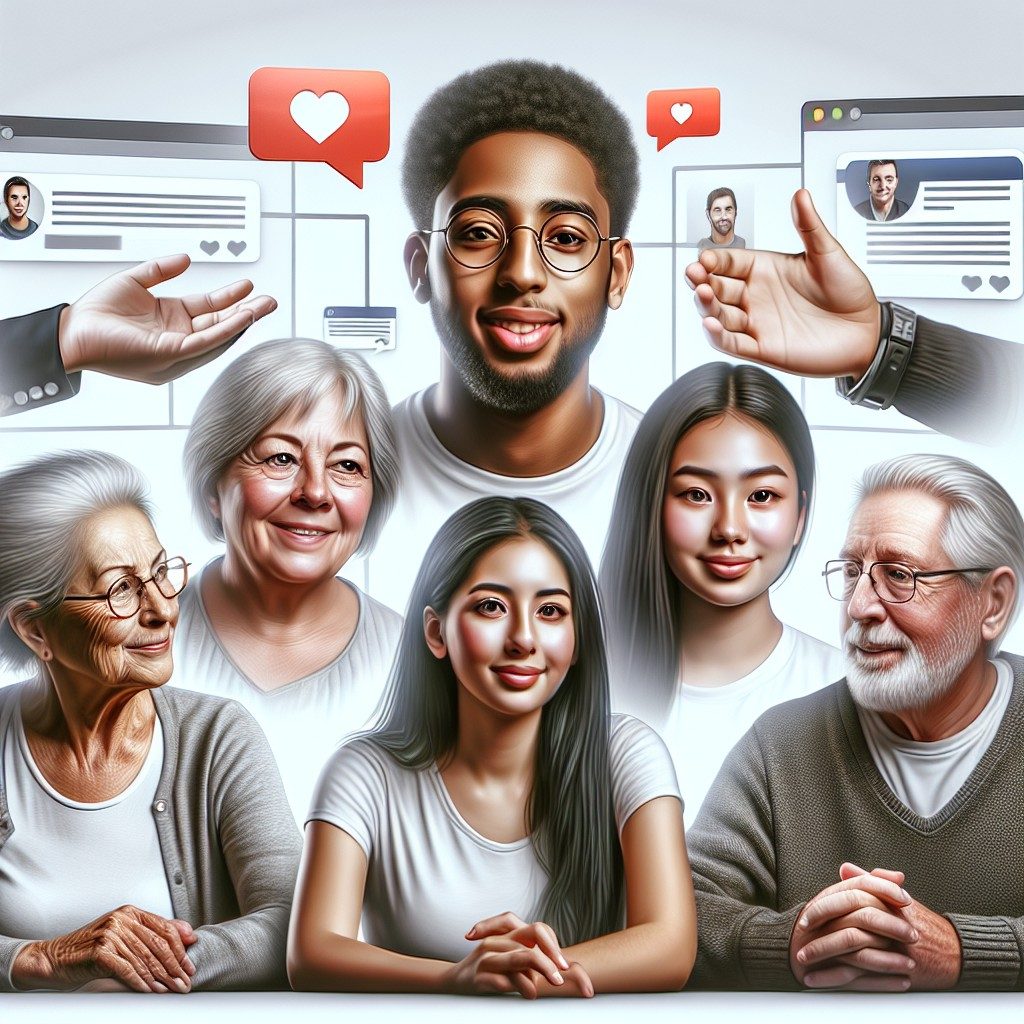
Digital empathy refers to the ability to recognize, understand, and respond thoughtfully to the emotions and perspectives of others in online communication. Unlike traditional face-to-face empathy, digital empathy requires interpreting text-based cues without the benefit of tone or body language. As immediate reactions dominate fast-moving comment threads, this skill becomes vital to prevent escalation of disagreements and build constructive conversations.
Challenges posed by fast-moving comment sections
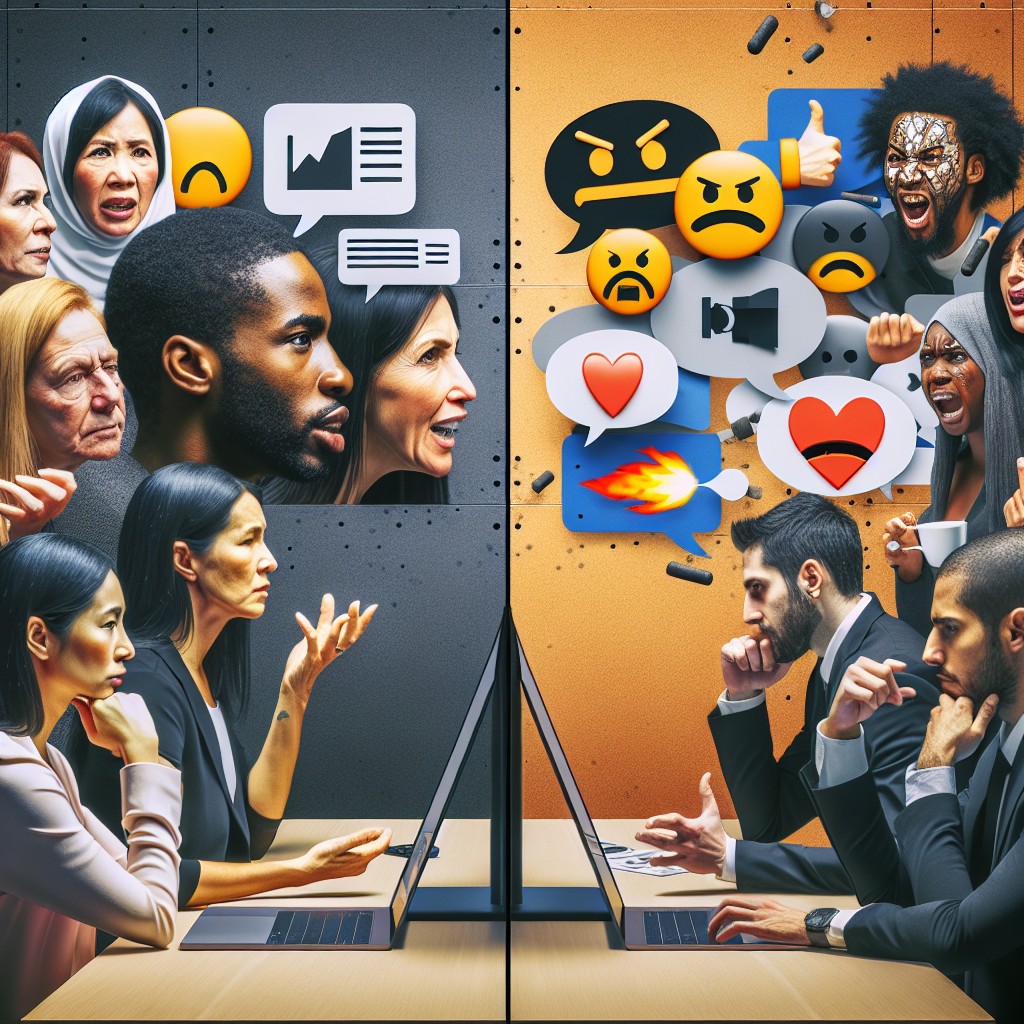
Comment sections on popular platforms frequently experience high volumes of posts occurring in short periods. This pace often leaves little room for reflection, leading to impulsive replies and amplified tensions. The absence of visual and vocal signals complicates emotional understanding, making it easier for comments to be misinterpreted or perceived as hostile. Consequently, misunderstandings proliferate, and debates transform into conflicts, undermining the quality of online discourse.
Digital empathy skills that can reduce conflict
Key digital empathy skills include active listening, perspective taking, and measured response. Active listening online means thoroughly reading comments and seeking to understand the author’s intent before reacting. Perspective taking involves imagining the situation and emotions behind the words, which aids in cultivating patience and reducing snap judgments. Responding thoughtfully rather than impulsively can interrupt cycles of negativity and encourage calmer, more productive dialogue.
Role of digital empathy in moderating online communities
Online moderators and community managers utilize digital empathy to balance enforcing rules and respecting users’ diverse viewpoints. By modeling empathetic communication and recognizing emotional nuances in comments, they can de-escalate tensions and foster inclusive environments. Platforms investing in digital empathy training for moderators often see improvements in user engagement quality and reductions in toxic behavior, demonstrating the effectiveness of this approach.
Developing digital empathy as an essential digital literacy
As virtual interactions constitute a significant portion of social exchange, integrating digital empathy into digital literacy education is increasingly important. Teaching users how to practice empathy online enhances overall communication skills and contributes to healthier digital spaces. Numerous organizations encourage this development through workshops and guidelines focused on emotional intelligence adapted to digital contexts, emphasizing the role of digital empathy in fostering respectful online engagement.
Conclusion
Digital empathy serves as a critical tool to reduce conflict in fast-moving comment sections, enabling users and moderators to navigate complex emotional dynamics effectively. As digital interactions continue to expand, proficiency in digital empathy will likely become a standard expectation for maintaining civil discourse online. Emphasizing this skill across communities and platforms can contribute to more constructive and inclusive digital environments worldwide.
Frequently Asked Questions about digital empathy
What is digital empathy and why does it matter in online comments?
Digital empathy is the capacity to understand and share the feelings of others through online communication. It matters because it helps reduce misunderstandings and conflict in fast-moving comment sections.
How can digital empathy be applied in fast-paced digital conversations?
Applying digital empathy involves reading comments carefully, considering the commenter’s perspective, and replying thoughtfully, which slows down impulsive reactions and lowers tensions.
Can digital empathy help moderators manage online conflicts?
Yes, moderators skilled in digital empathy can better interpret emotional cues and respond in ways that de-escalate conflicts and foster respectful interactions.
Are there any resources to improve digital empathy skills?
Educational programs and online resources from reputable organizations promote digital literacy that includes digital empathy, recognizing it as essential for positive online engagement, such as those highlighted by digital empathy initiatives.
Is digital empathy different from traditional empathy?
While grounded in the same principles, digital empathy requires interpreting text-based communication and emotional cues without face-to-face signals, making it a distinct and necessary skill for online environments.