The rapid increase in digital content and constant connectivity has intensified what experts call the attention economy, where individuals’ focus is a highly valued resource. As people face continuous distractions from multiple devices and platforms, fatigue related to managing this overloaded attention is becoming a widespread concern. This article explores the causes of attention economy fatigue and outlines sustainable methods for individuals to regain and maintain focus amidst the digital noise.
The rise of the attention economy and its impact on focus
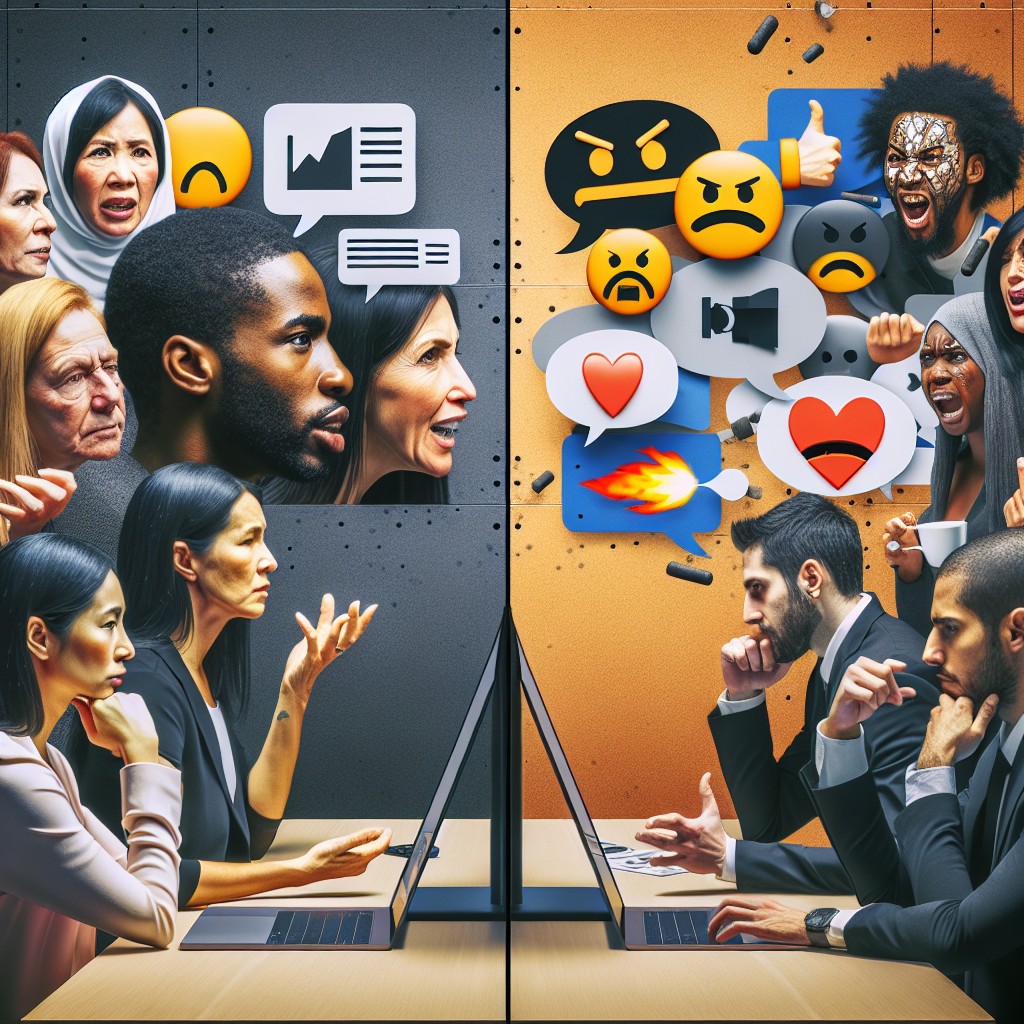
The concept of the attention economy describes a marketplace where human attention is a finite commodity exploited by content producers, advertisers, and social media platforms. The expansion of this economy has led to environments saturated with notifications, advertisements, and devices competing for instant attention. This constant fragmentation of focus contributes significantly to cognitive overload, reducing productivity and increasing mental exhaustion in everyday life.
Understanding attention economy fatigue
Attention economy fatigue manifests as a sense of mental depletion stemming from the effort required to filter and prioritize incessant stimuli. People report difficulty concentrating on tasks for prolonged periods and often experience irritability, decreased motivation, and increased stress. Studies in cognitive science link this fatigue to overexposure to digital stimuli, which demand continuous task switching and divided attention, impairing deep work and reflective thinking.
Technological factors contributing to diminished focus
Modern smartphones and social media platforms employ algorithms specifically designed to maximize user engagement, frequently at the cost of sustained attention. Features such as push notifications, autoplay videos, and infinite scrolling are engineered to capture and hold attention, often encouraging compulsive use. The volume of content and real-time updates create a feedback loop that interrupts focused activities, making it challenging for users to disconnect and concentrate on meaningful tasks.
Strategies to rebuild focus sustainably
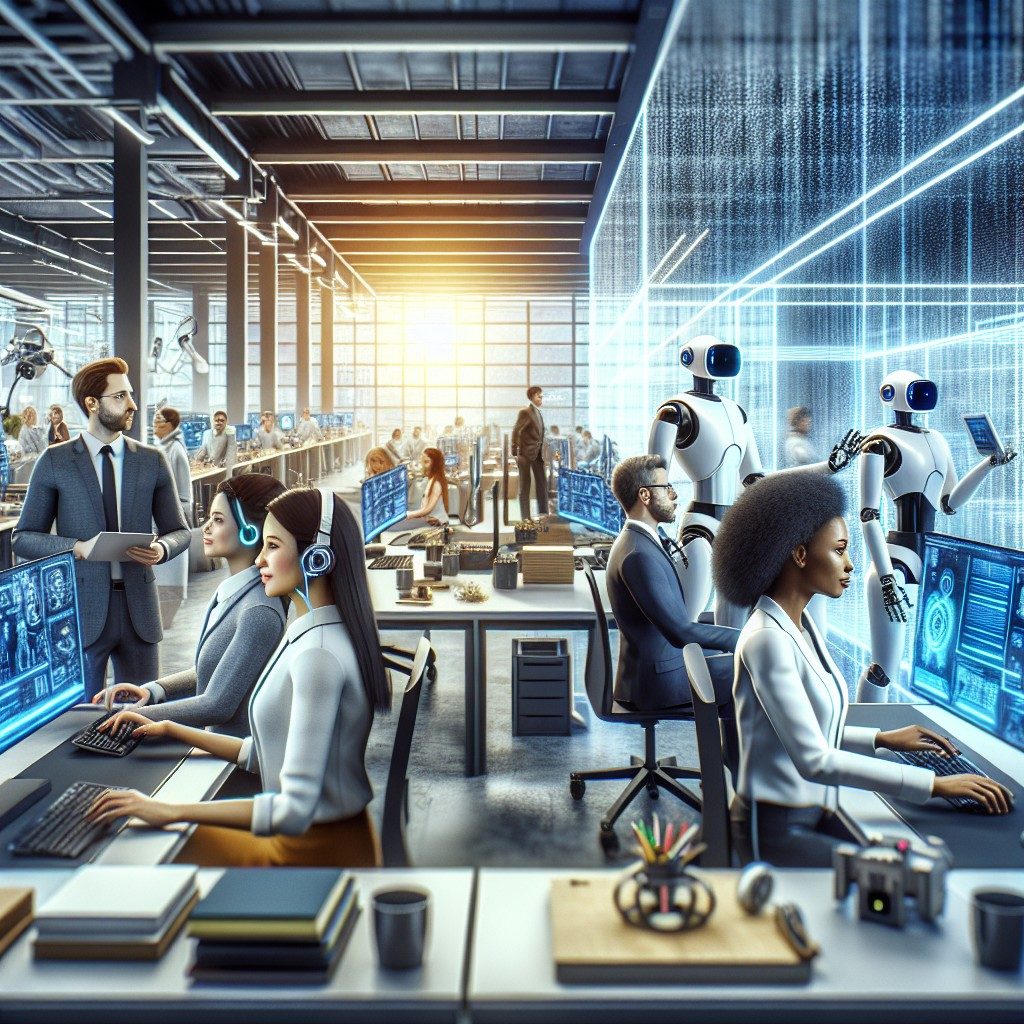
To counter attention economy fatigue, experts advocate adopting habits that regulate digital consumption and promote cognitive rest. Practices such as scheduled technology breaks, mindfulness exercises, and creating distraction-free environments help individuals manage their attention more effectively. Additionally, curating digital inputs by limiting app notifications and setting specific times for engaging with media encourages a balance between connectivity and concentration. Organizations are also recognizing the importance of supporting employee focus by designing workspaces and policies that minimize unnecessary digital interruptions.
The role of policy and design in mitigating attention fatigue
Beyond individual efforts, some regulators and technology companies are exploring frameworks to address the negative effects of the attention economy. Initiatives include transparency about data use, options for users to control engagement features, and promoting ethical design principles that respect users’ cognitive limits. These developments indicate a growing awareness of the societal implications of pervasive attention capture and suggest potential pathways for more sustainable digital ecosystems.
In conclusion, attention economy fatigue is a significant challenge emerging from the modern digital landscape. As both individuals and organizations adapt, sustainable focus can be rebuilt through a combination of personal strategies and responsible technological design. The evolving dialogue around this topic hints at future innovations and policies that could help balance commercial interests with cognitive well-being, ensuring that attention remains a resource managed thoughtfully rather than depleted indiscriminately.
Frequently Asked Questions about attention economy
What is the attention economy?
The attention economy refers to an economic system where human attention is treated as a scarce commodity that businesses and platforms compete for by creating engaging content and experiences.
How does attention economy fatigue affect daily life?
Fatigue from the attention economy can lead to reduced concentration, increased stress, and difficulty completing tasks due to constant distractions from digital devices and media.
Which factors in the attention economy contribute most to focus loss?
Key contributors include persistent notifications, social media algorithms promoting endless content, and multitasking demands that fragment attention and disrupt deep focus.
What sustainable methods help combat attention economy fatigue?
Effective approaches involve setting boundaries on technology use, practicing mindfulness, managing notifications, and creating dedicated periods for uninterrupted work or rest.
Can technology design influence attention economy fatigue?
Yes, ethical technology design that minimizes addictive features and allows users control over engagement can reduce fatigue by supporting healthier interaction with digital environments.