In the evolving digital landscape, content creators face mounting pressures that can lead to creator burnout, a phenomenon gaining attention across industries. Recognizing the signs early and adopting sustainable routines are crucial for maintaining mental health and productivity.
Understanding creator burnout
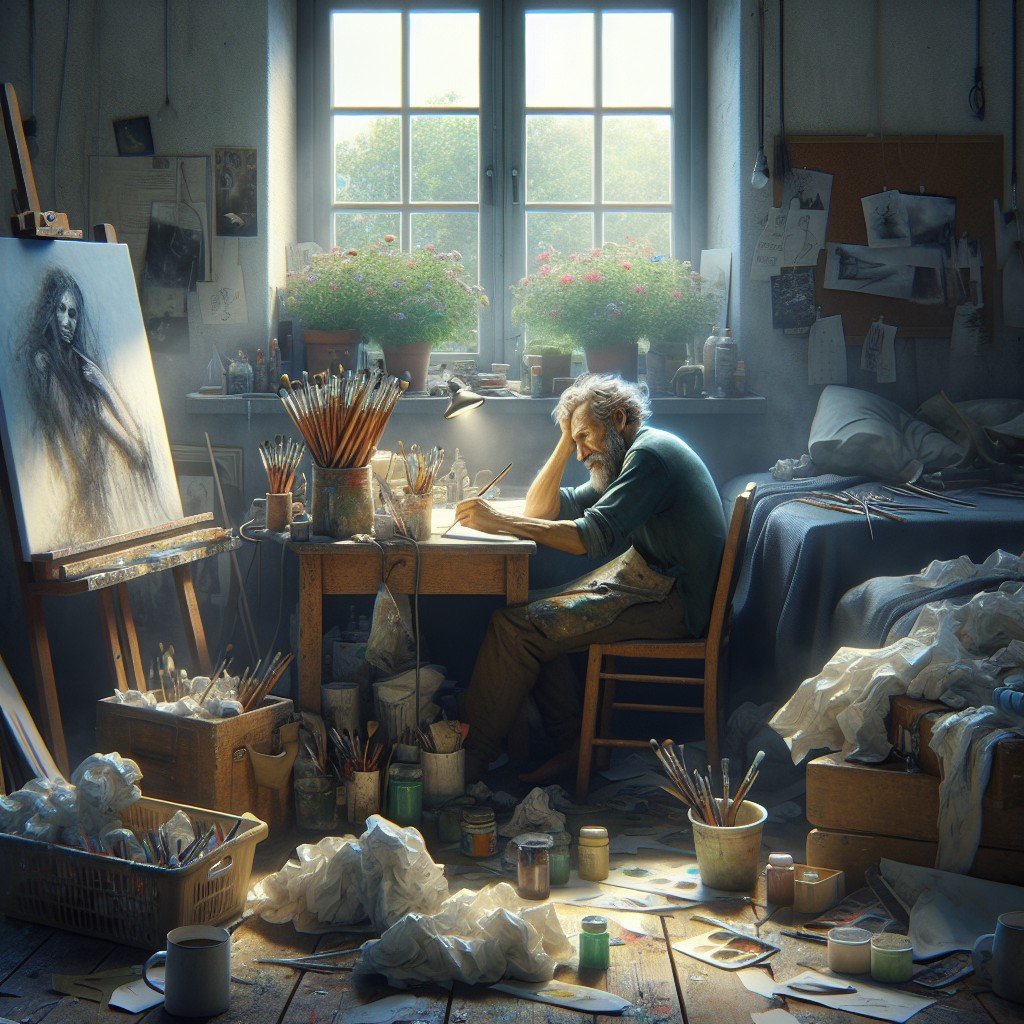
Creator burnout refers to a state of physical, emotional, and mental exhaustion specific to individuals who produce content regularly, such as social media influencers, bloggers, and video creators. This condition results from prolonged stress and overwork in a highly competitive environment where constant output and engagement are demanded. Unlike general occupational burnout, creator burnout frequently intertwines with the personal identity of the creator, making recovery more complex.
Key signals indicating creator burnout
Several signs point to creator burnout, including persistent fatigue despite adequate rest, a marked decline in creative inspiration, and increased feelings of cynicism or detachment from one’s work. Creators may also experience physical symptoms such as headaches and sleep disturbances. Social withdrawal and reduced interaction with followers, once a core aspect of their routine, often indicate emotional exhaustion. Awareness of these signals is essential for timely intervention.
The impact of social media dynamics
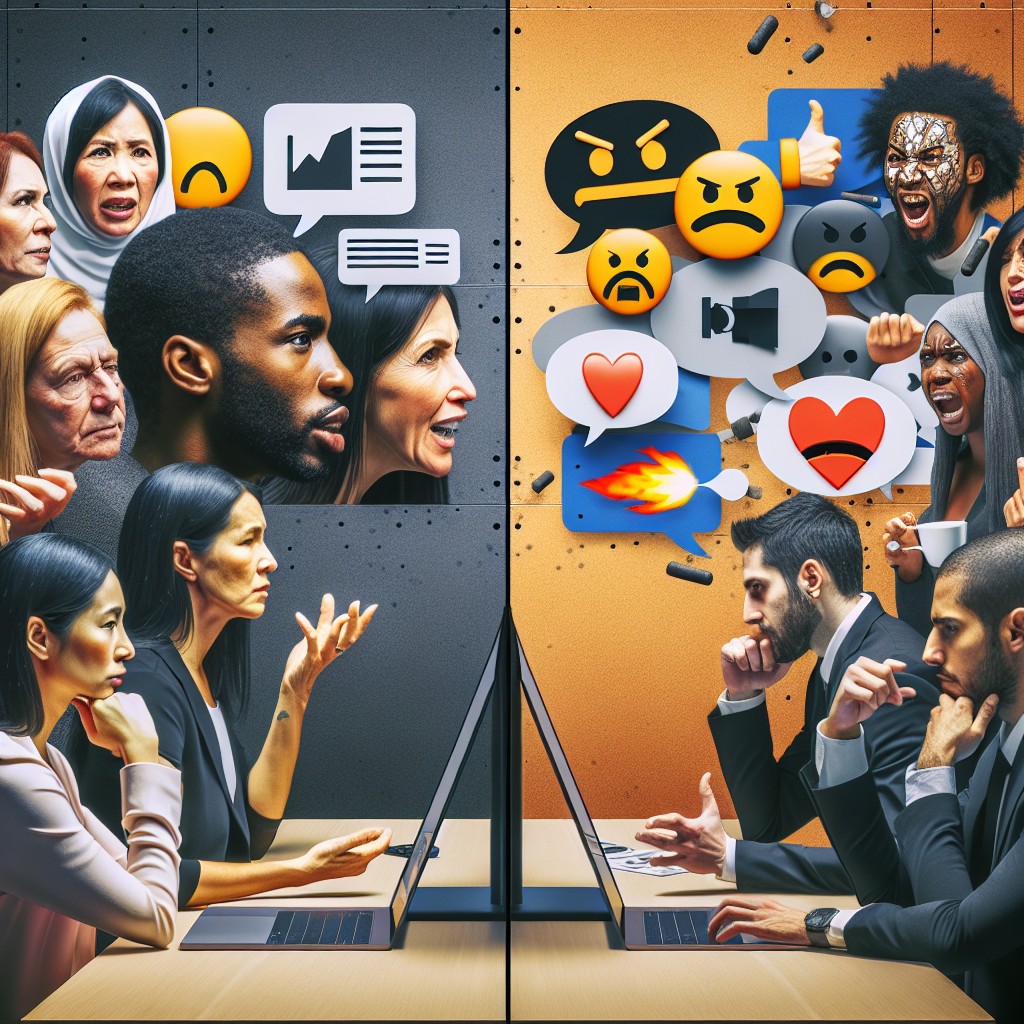
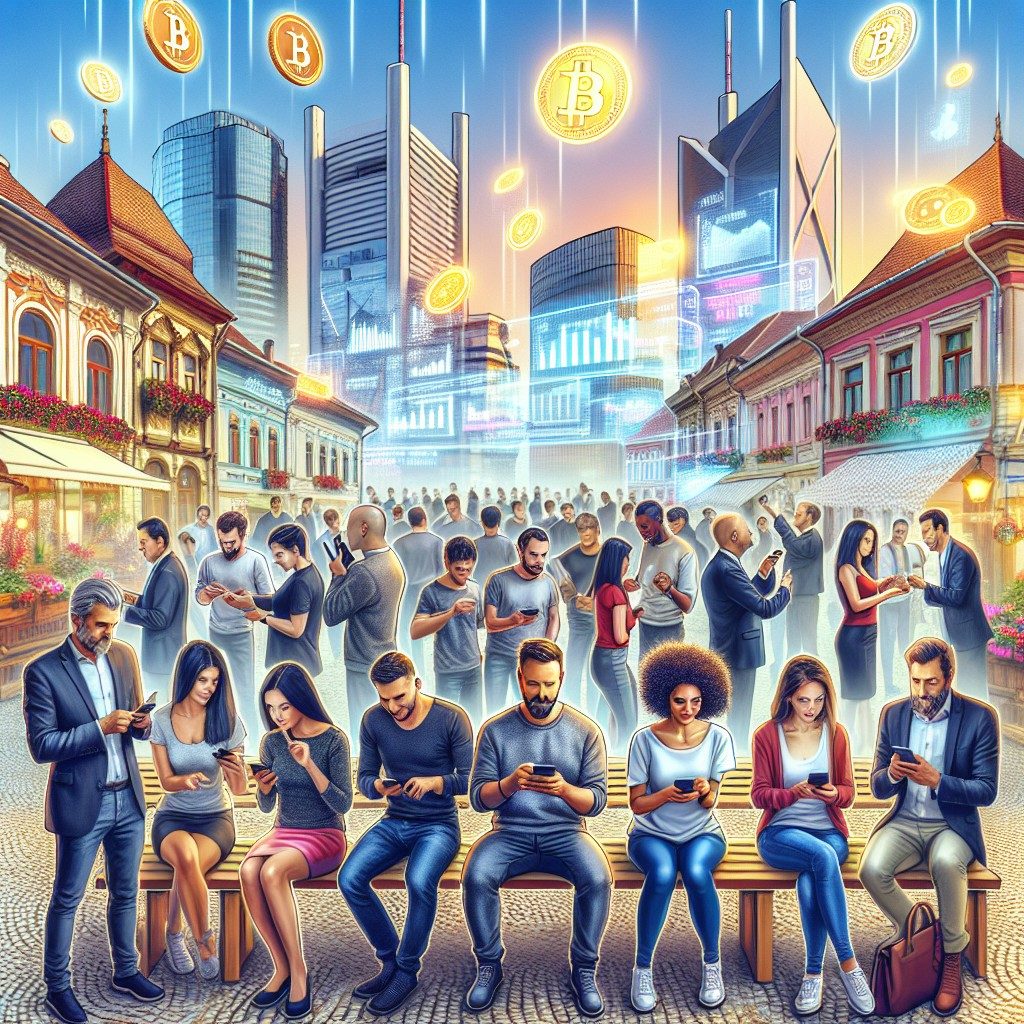
The fast-paced and often unpredictable nature of social media platforms contributes significantly to creator burnout. Algorithms favor frequent posting and high engagement, pressuring creators to constantly produce content to retain visibility. Additionally, exposure to negative comments and the pressure to maintain a flawless online image exacerbate mental strain. These factors create a feedback loop, intensifying stress and diminishing job satisfaction.
Routines that mitigate burnout
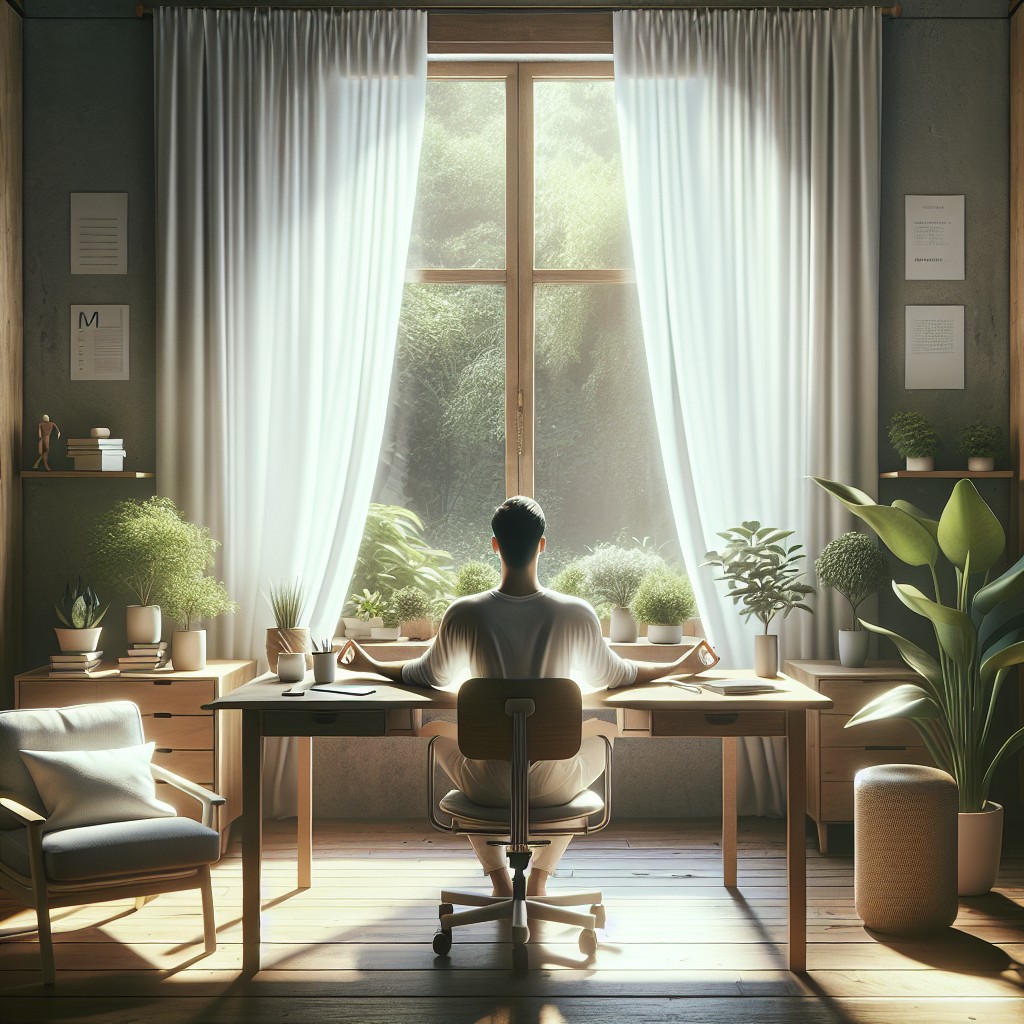
Adopting structured routines can help creators maintain a healthy balance between work demand and wellbeing. Scheduling regular breaks, setting realistic content goals, and delineating work hours promote sustainable productivity. Engaging in offline activities and fostering supportive communities also provide emotional resilience. Importantly, creators who prioritize self-care and mental health support demonstrate greater long-term success and stability.
The role of professional support and awareness
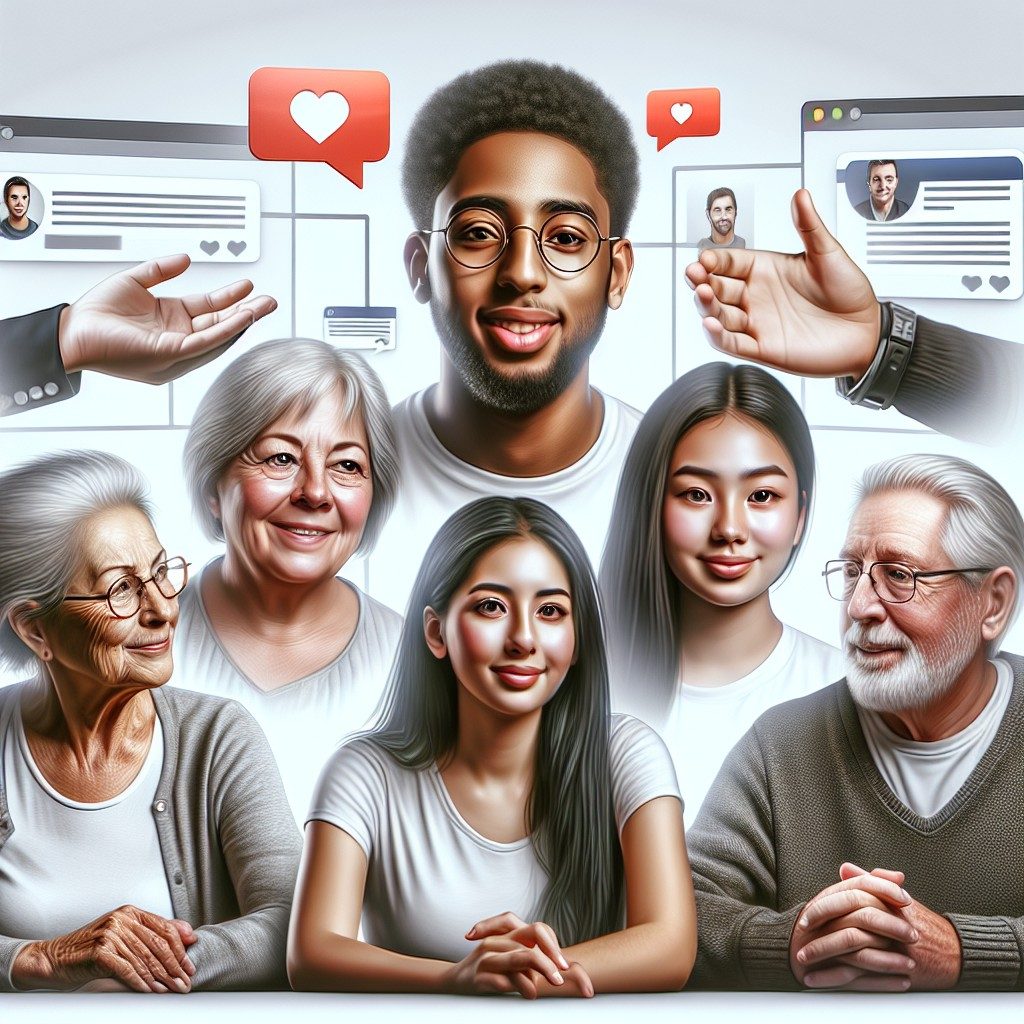
Access to mental health resources tailored to content creators is increasingly recognized as vital. Industry organizations and platforms are beginning to offer workshops and counseling aimed at managing creator burnout. Public discussions and transparency about mental health challenges help reduce stigma. As awareness grows, integrating professional support into creator routines is expected to become a standard practice.
In conclusion, creator burnout is a pressing issue inherent to the digital content profession, shaped by the unique pressures of the online environment. Recognizing clear signals and implementing humane work routines are essential steps toward safeguarding creators’ well-being. Future trends indicate an increasing institutional focus on supporting mental health to sustain creative industries.
Frequently Asked Questions about creator burnout
What are the most common symptoms of creator burnout?
Common symptoms include chronic fatigue, lack of motivation, loss of creative drive, emotional numbness, and physical signs such as headaches or sleep problems, reflecting the exhaustive nature of creator burnout.
How can creators prevent burnout during busy periods?
Creators can prevent burnout by organizing their workflow with scheduled breaks, setting achievable goals, and maintaining a clear separation between work and personal time to reduce continuous stress associated with creator burnout.
Is creator burnout different from general burnout?
Yes, creator burnout has distinct features linked to the personal and public aspects of content creation, where identity and audience engagement intensify the effects compared to general occupational burnout.
What role do social media platforms play in creator burnout?
Social media platforms often accelerate creator burnout through algorithmic pressures for constant content creation, exposure to public scrutiny, and the demand to maintain engagement, all contributing factors to creator burnout.
Are there professional resources available to help with creator burnout?
Increasingly, professional resources such as counseling, workshops, and support groups tailored for content creators are being made available to address and manage the challenges of creator burnout effectively.