In today’s digital era, public discourse online has become a vital part of how societies communicate, share ideas, and shape opinions. However, while online platforms offer unprecedented opportunities for discussion, many constructive debates deteriorate into chaotic noise, making meaningful conversations difficult to sustain.
The Evolution of Public Discourse in the Digital Age
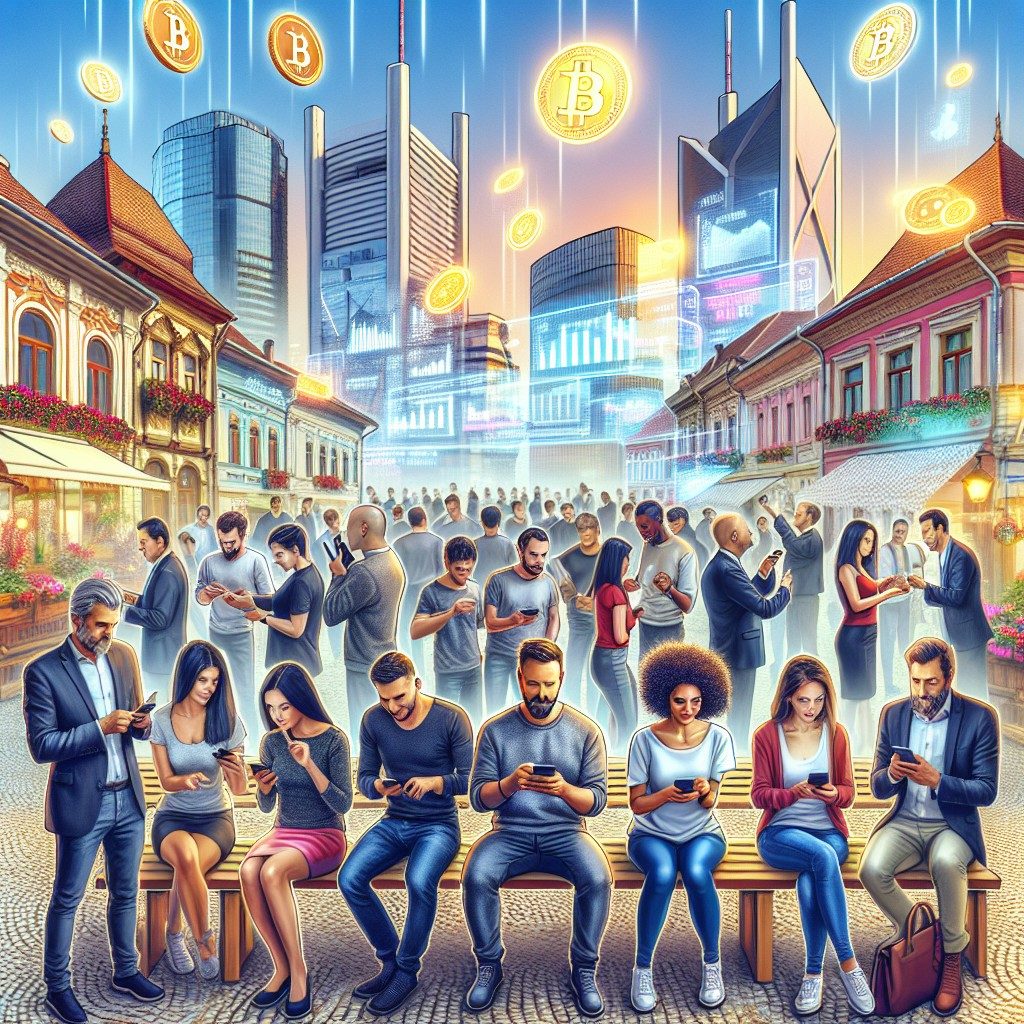
Public discourse, once dominated by traditional media and face-to-face interactions, has shifted dramatically with the advent of the internet and social media. Online forums, social networks, and comment sections have opened up spaces for a diverse range of voices to participate. Yet, this expansion has also introduced challenges related to moderation, misinformation, and the sheer volume of content vying for attention.
Factors Leading to the Collapse of Constructive Debates
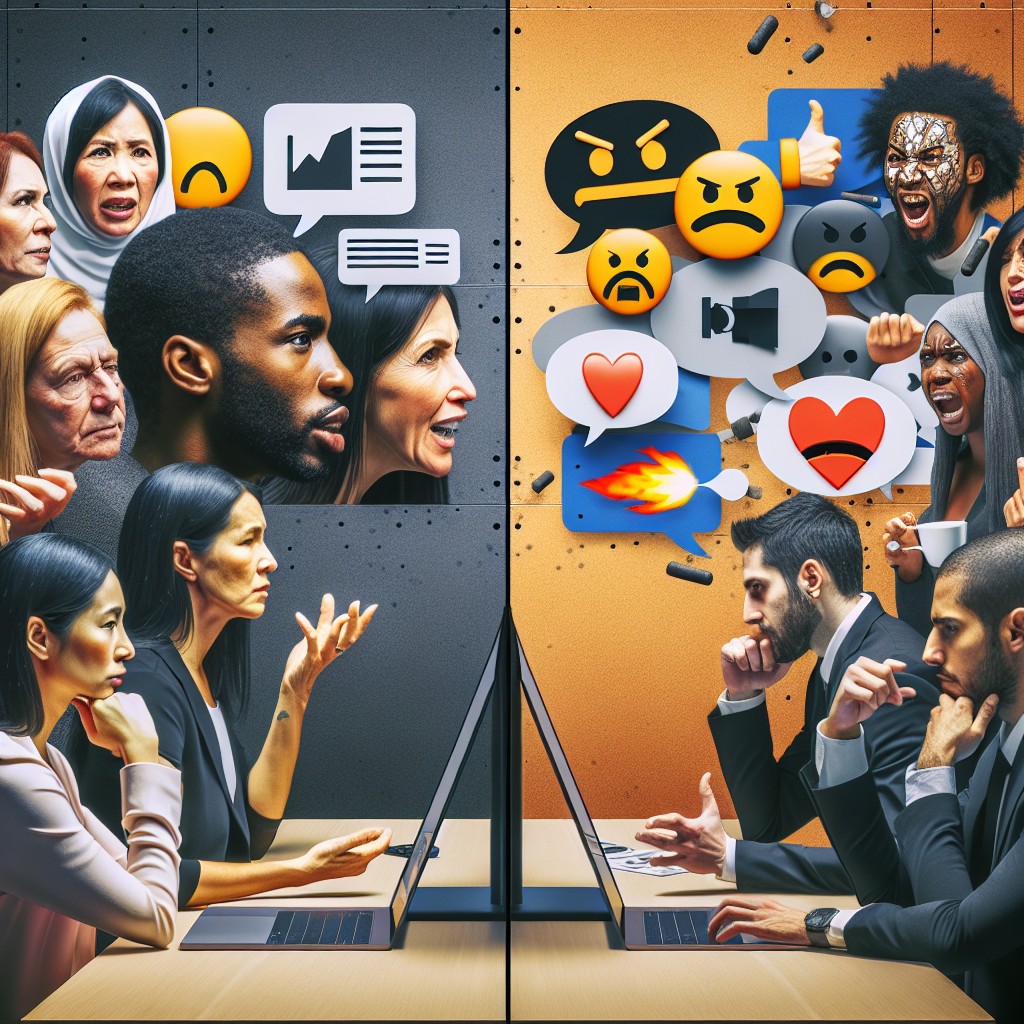
Several elements contribute to the decline of productive public discourse online. The anonymity granting users the freedom to express themselves can also encourage incivility and trolling. Algorithms designed to maximize engagement often prioritize sensational or emotionally charged content, overshadowing nuanced discussions. Additionally, the lack of immediate social cues reduces empathy, leading to misunderstandings and escalated conflicts.
The Role of Social Media Algorithms and Engagement Metrics
Social media platforms operate on algorithms that prioritize content likely to generate reactions. This system often favors polarizing or controversial posts over balanced viewpoints. As a result, discussions tend to become one-sided or confrontational, while moderate voices get drowned out. The emphasis on rapid engagement also discourages thoughtful reflection, shortening attention spans and increasing superficial interactions within the realm of public discourse.
The Impact of Misinformation and Echo Chambers
Misinformation spreads rapidly online, further degrading the quality of public discourse. False claims and conspiracy theories can gain traction quickly, especially when shared within like-minded communities or echo chambers. These environments reinforce existing beliefs and discourage critical examination of facts. Consequently, dialogue becomes fragmented, with groups talking past each other rather than engaging in open exchange.
Efforts to Restore Meaningful Public Discourse
In response to these challenges, various stakeholders including governments, tech companies, and civil society are seeking solutions. Approaches include improved content moderation, boosting digital literacy, and promoting platform designs that encourage respectful dialogue. Prominent organizations such as the United Nations emphasize the importance of safeguarding public discourse to uphold democracy and social cohesion. Meanwhile, news outlets like BBC continue to provide platforms for informed discussion that models effective communication.
Conclusion: Outlook for the Future of Public Discourse
Public discourse online faces significant obstacles, but recognition of these problems is the first step toward improvement. As society becomes increasingly reliant on digital communication, sustaining constructive debate will require coordinated efforts and innovation in technology and education. The balance between free expression and respectful conversation is delicate, but essential for healthy democratic engagement in the years ahead.
Frequently Asked Questions about public discourse
What is public discourse and why is it important?
Public discourse refers to the exchange of ideas and information among the general population. It is important because it shapes public opinion, informs policy decisions, and strengthens democratic processes.
How has the internet changed public discourse?
The internet has expanded public discourse by allowing more people to participate regardless of location. However, it has also introduced challenges like misinformation and reduced civility.
Why do good debates often collapse into noise online?
Good debates collapse into noise due to factors such as anonymity, social media algorithms favoring conflict, and the rapid spread of misinformation, which overwhelm productive conversation.
Can technology help improve public discourse?
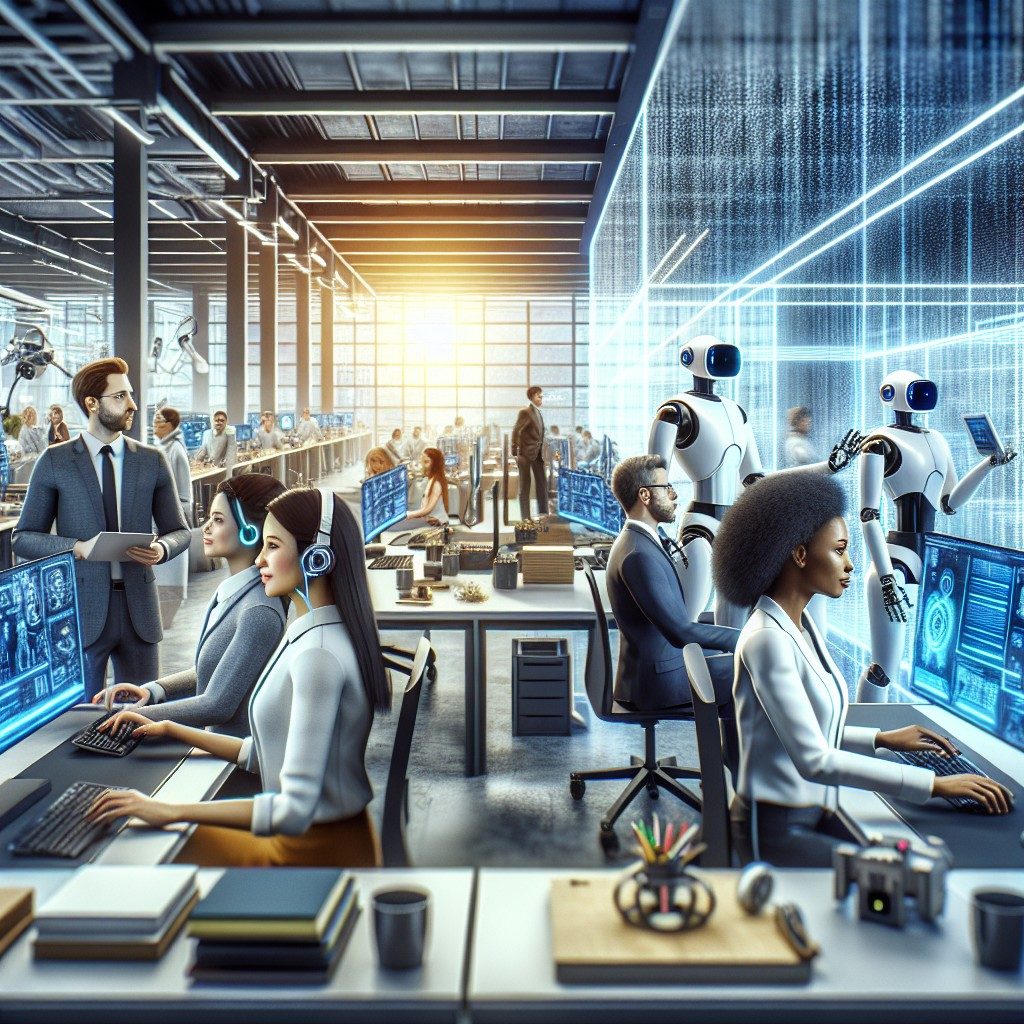
Yes, technology can aid public discourse by enabling better moderation, fact-checking, and creating environments that encourage respectful interaction and diverse perspectives.
What role do institutions play in public discourse?
Institutions like media organizations and international bodies provide trusted information sources and frameworks to promote informed and civil public discourse.